Expert Pest Control Services for Rodents, Roaches, and More
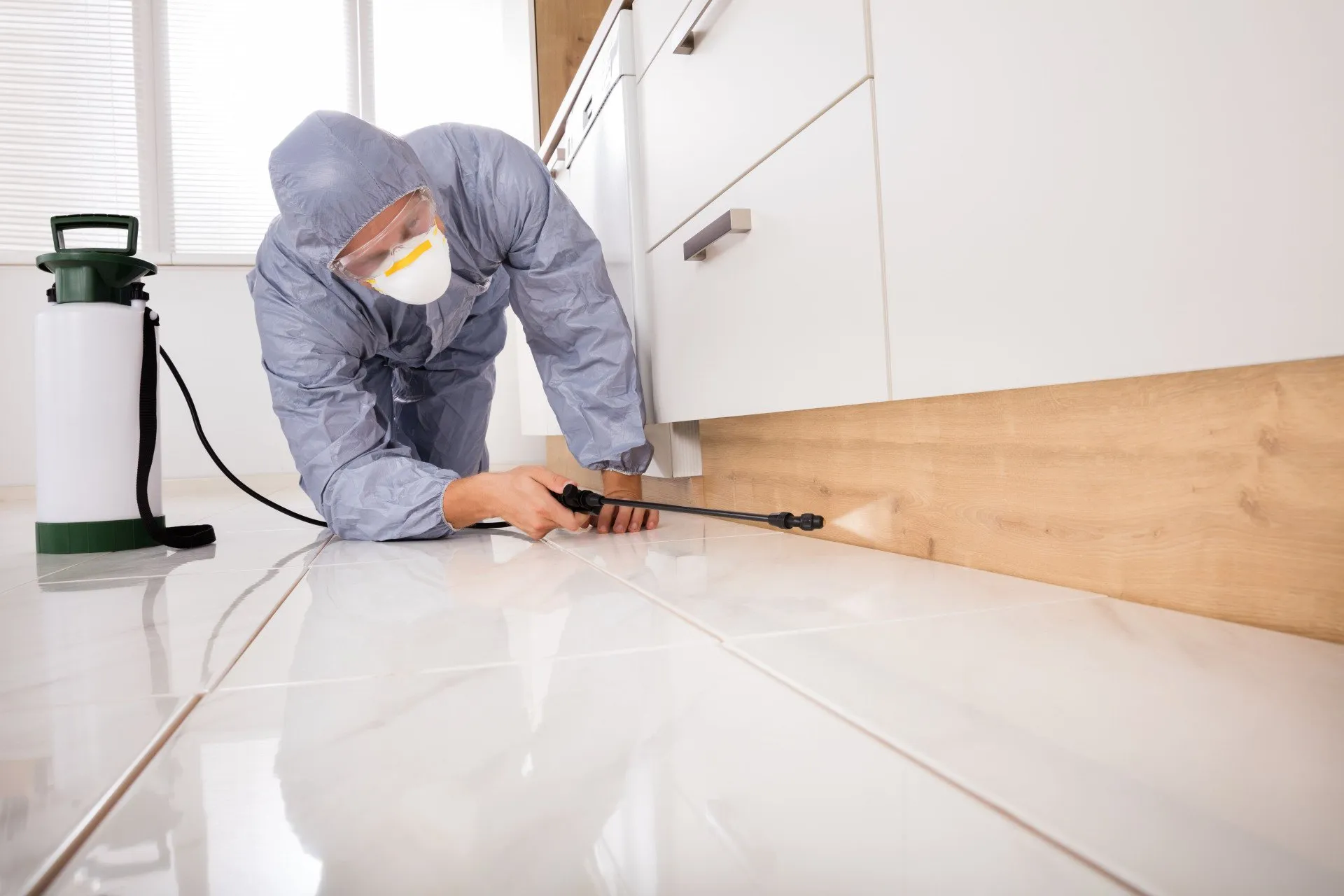

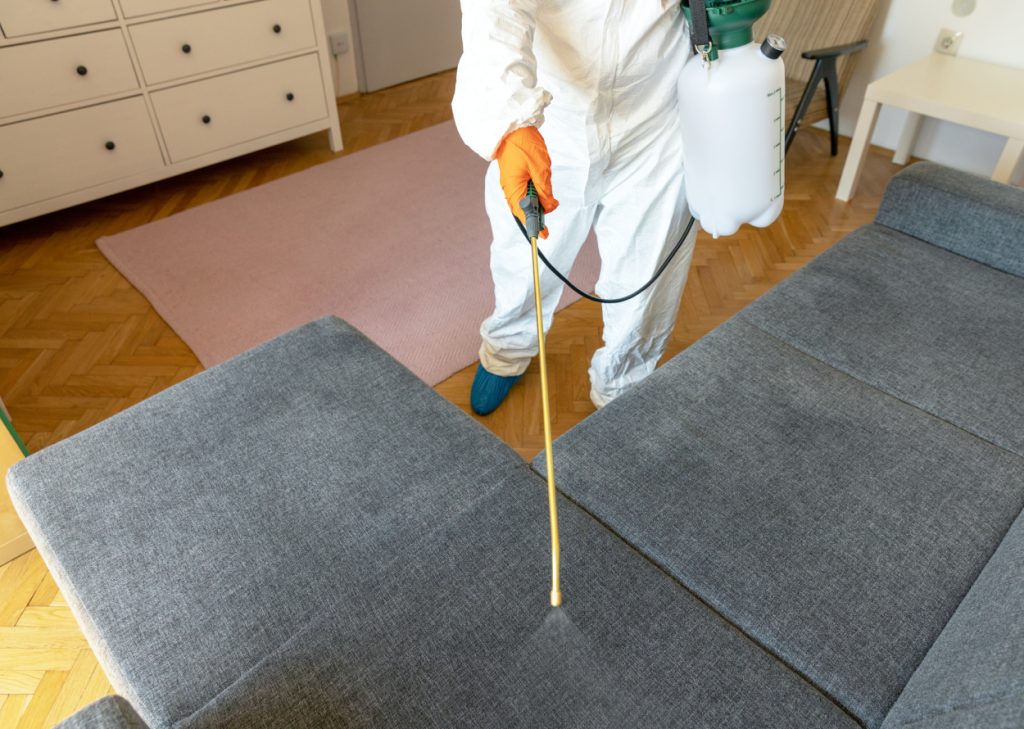
Pests rarely announce themselves politely. More often, they leave a trail of hints that homeowners and property managers notice only after the problem has started to grow. A scratching sound in the wall at 2 a.m. A line of ants that seems to appear from nowhere. Roach droppings tucked behind a refrigerator. A wasp nest under the eaves that was not there last month. By the time those signs become obvious, the infestation is usually no longer minor.
That gap between first activity and visible damage is exactly why professional Pest Control Services matter. Good pest control is not just about spraying a baseboard or setting a trap. It is about identifying the species correctly, understanding why the building attracted it, choosing the safest and most effective treatment, and making sure the problem does not return in six weeks under a slightly different form. Anyone who has dealt with rodents in an attic or German roaches in a kitchen knows that partial solutions usually lead to repeat calls, wasted money, and a lot of frustration.
The strongest pest programs are practical, methodical, and tailored to the structure itself. A century-old home with a crawl space has different vulnerabilities than a modern retail suite or a restaurant with floor drains and late-night food traffic. Climate matters. Construction type matters. So does timing. Treating a rat issue in winter often requires a different approach than treating one during warm weather, when food sources and travel patterns shift.
What expert service really means
There is a wide difference between a quick treatment and expert service. The first often focuses on the symptom. The second looks for the cause. Experienced technicians do not start by assuming every insect on the floor needs the same product. They inspect entry points, moisture sources, harborage zones, sanitation conditions, and structural gaps. They ask where pests were seen, when activity is highest, whether the problem is isolated or building-wide, and what changes happened recently, such as nearby construction, heavy rain, new landscaping, or a vacant neighboring unit.
That kind of inspection matters because pests overlap in appearance but not in behavior. Small brown roaches in a kitchen might be German roaches, which reproduce quickly and require aggressive follow-up. They might also be harmless outdoor species wandering in from mulch after rain, which calls for a different response entirely. Rodent droppings can suggest mice or rats, but the size, shape, and placement tell a much clearer story. Misidentification is one of the main reasons do-it-yourself treatments stall out.
A seasoned pest professional also understands limits. Not every problem disappears overnight, and any company that promises instant elimination in every case is overselling. Fleas, bed bugs, pharaoh ants, and entrenched roach infestations often need a staged program. Rodent work may involve sanitation, exclusion repairs, trap placement, and ongoing monitoring before activity fully drops off. Honest expectations are part of good service.
Rodents, the pest that causes the most worry fast
Few calls come with as much urgency as a report of rats or mice. The emotional reaction is understandable. Rodents contaminate stored food, gnaw wiring, shred insulation, damage ductwork, and leave urine and droppings in hard-to-clean spaces. They are also remarkably adaptable. A mouse can squeeze through an opening roughly the width of a dime. Young rats can exploit gaps along utility penetrations, garage door corners, and broken vents that many people overlook.
Rodent control succeeds when three things happen together: population reduction, entry point sealing, and habitat correction. Remove only the visible animals and new ones often replace them. Seal holes without reducing the active population and rodents may remain trapped inside wall voids or attic spaces. Clean everything but ignore structural gaps and the problem often returns with the next temperature shift.
In homes, attics and crawl spaces tend to be the major zones of concern. In commercial settings, dumpsters, receiving doors, drop ceilings, and shared walls become common pressure points. Restaurants face a special challenge because warmth, water, and food are all present daily. Apartment buildings add complexity because one tenant’s excellent housekeeping cannot fully offset a neighboring unit with severe clutter or feeding habits that support mice.
One of the clearest signs of experienced rodent service is how much attention the technician gives to the exterior. People often focus on the droppings they found under the sink. The real story may be outside, where a gap under the siding, thick vegetation against the foundation, or a poorly fitted door sweep is giving pests routine access. A strong rodent plan treats the building envelope as seriously as the traps indoors.
Why roaches are so difficult to eliminate
Roaches are not all the same, and that distinction matters. A large American roach that wanders in from a sewer or damp basement is unpleasant, but it does not behave like a German roach infestation in a kitchen. German roaches are the species that create sleepless nights for property owners because they breed quickly, stay hidden in tight cracks near heat and moisture, and spread through multi-unit buildings with discouraging ease.
I have seen kitchens that looked reasonably clean on the surface but still supported roaches because the real food source was grease buildup under equipment, residue around motor housings, and moisture around leaking pipe penetrations. Roaches do not need much. A few crumbs, warm compressor heat, and a little water condensation can support a surprising amount of activity. That is why superficial treatment rarely works.
Professional roach control typically relies on a combination of precise bait placement, targeted crack-and-crevice treatment where appropriate, insect growth regulators in some cases, and close attention to competing food sources. Overapplying sprays can actually hurt the job if it contaminates bait placements or scatters the population deeper into wall voids. This is one of those pest problems where more product does not necessarily mean better results. Smarter placement usually wins.
Follow-up is essential. Roaches hatch in cycles, and one good service visit, while important, may not close the case. A property with moderate to heavy German roach activity often needs multiple visits over several weeks, combined with sanitation improvements and tenant cooperation. That can be frustrating for clients who want a one-time fix, but it is the reality of the species.
Ants, occasional invaders, and the pests people underestimate
Ants are often dismissed as minor, right up until they spread through a pantry or start appearing in a bathroom every morning despite repeated wiping and spraying. Ant control depends almost entirely on proper identification and nest strategy. https://pastelink.net/3w0vq8w2 Treating visible foragers without understanding the colony location may reduce the line temporarily while leaving the real source untouched.
Odorous house ants, pavement ants, carpenter ants, and pharaoh ants all call for different judgment. Carpenter ants, for example, can indicate moisture-damaged wood and may signal a structural issue worth inspecting. Pharaoh ants should never be handled casually because improper treatment can cause budding, where colonies split and spread further. This is exactly the kind of edge case where professional Pest Control Services save time and prevent a manageable issue from becoming a complicated one.
Spiders, silverfish, earwigs, centipedes, and other occasional invaders fall into another category. They are often symptoms of environmental conditions rather than stand-alone infestations. Excess moisture, dense ground cover, clutter, and lighting that attracts insects can all increase their presence. A capable technician reads those clues and addresses the conditions behind them, not just the creatures found on a glue board.
Termites, stinging insects, and other high-risk problems
Some pests are not simply a nuisance. They create direct structural or safety concerns. Termites are the obvious example. In many regions, subterranean termites can remain active for a long time before the damage is recognized. Mud tubes, blistered wood, and soft trim are classic signs, but infestations are often discovered during renovations, inspections, or sales. Termite service demands a different level of planning than general pest work, especially when foundations, slab construction, drainage patterns, and soil contact all come into play.
Stinging insects deserve similar caution. A visible wasp nest under a porch roof may seem like a simple target, but nest size, species, and location matter. Yellowjackets in wall voids or underground nests can produce dangerous situations quickly, particularly for children, pets, or anyone with an allergy. Trying to handle a nest without the right timing or protective gear is one of the more common ways routine pest concerns become emergency medical calls.
Wildlife issues sit in their own lane as well. Squirrels, raccoons, bats, and birds often require specialized handling, exclusion methods, and local compliance awareness. Not every company offers wildlife work, and homeowners should not assume that general spraying covers this category.
What a thorough pest inspection should uncover
A real inspection should leave the customer better informed than when the technician arrived. That means specific findings, not vague reassurances. If the issue is rodents, the technician should be able to point out likely entry sites, travel routes, nesting areas, and why those spots matter. If the issue is roaches, there should be an explanation of harborage zones, sanitation pressure points, and realistic treatment intervals.
The most useful inspections usually identify several categories of risk at once. For example, a single visit may reveal that a kitchen roach problem is tied to a slow leak behind the dishwasher, wide gaps around plumbing under the sink, cardboard storage in the pantry, and heavy grease accumulation under the stove. None of those details is glamorous, but they are the difference between repeat infestation and lasting control.
Here are the signs a service is taking the work seriously:
- It begins with identification and inspection, not immediate blanket treatment.
- It explains why the pest is present, not just how it will be killed.
- It recommends exclusion, sanitation, or moisture correction where needed.
- It sets realistic follow-up expectations for difficult pests.
- It documents findings clearly, especially in commercial or multi-unit properties.
That kind of transparency is particularly valuable for landlords, facility managers, and restaurant operators who need records for maintenance planning or compliance purposes.
The role of integrated pest management
Integrated pest management, often shortened to IPM, gets mentioned often, but in practice it simply means using the least disruptive effective method while addressing the conditions that support pests. In the field, that approach is common sense. If drain flies are breeding in organic buildup inside a floor drain, the answer is not endless pesticide application. The answer is cleaning the drain line, correcting moisture, and using targeted treatment only where it supports the result. If mice are entering through garage door corners, no amount of interior trapping alone will finish the job.
The best IPM programs combine monitoring, exclusion, habitat adjustment, and selective product use. That balance matters in homes with children, pets, older adults, or occupants with chemical sensitivities. It matters in schools and healthcare environments. It matters in food service. More importantly, it often works better over time than treatment-heavy approaches that ignore why the pest problem started.
Customers sometimes assume an aggressive service should leave a strong chemical smell. Experienced operators know that smell is not proof of quality. In many modern treatment programs, the most effective work is discreet. Tiny bait placements, sealed gaps, sanitation corrections, and well-positioned monitors do more than broad visible application.
Residential service versus commercial service
Residential pest control tends to focus on comfort, health, and protection of the home. Commercial service adds operational pressure. A single roach sighting in a restaurant can threaten reputation. Rodents in a warehouse can damage inventory and trigger audit issues. In office spaces, pest sightings undermine tenant confidence even when the actual infestation is small.
Commercial environments often require tighter documentation, scheduled monitoring, staff communication, and after-hours access. They also involve more variables. A grocery store bakery, a daycare center, and an industrial plant each create very different pest pressures. Effective service must account for traffic flow, waste handling, loading practices, food storage, and cleaning routines that shift by department.
Multi-family housing may be the hardest environment of all. A technician can do excellent work in one unit and still struggle if adjacent units are untreated, inaccessible, or heavily cluttered. In these settings, pest control becomes partly a property management issue. Coordination, education, and building-wide consistency are often as important as the treatment itself.
How seasonality changes pest behavior
Pests do not disappear when the weather changes. They adjust. In cooler months, rodents often move indoors seeking warmth and shelter. Spiders become more noticeable as prey patterns shift. In spring, ant activity ramps up, and overwintering pests emerge. Summer tends to bring stinging insects, flies, and heavy outdoor pressure. Wet periods can push roaches, earwigs, and occasional invaders into structures, while drought can do the same as pests search for water.
This is why one-time service has limits. Some properties benefit from recurring visits because the pest pressure is not static. A wooded lot with heavy leaf litter, a property near standing water, or a building next to restaurants or dumpsters will experience patterns that return unless someone monitors them consistently. Preventive service is often less costly than reactive emergency treatment, especially when it reduces the chance of a large infestation taking hold.
What homeowners can do between visits
Professional service works best when occupants support it. That does not mean the customer needs to become a technician. It means basic conditions should not keep feeding the problem. Food storage, moisture control, clutter reduction, and reporting new activity quickly all make a real difference.
The most useful habits are simple:
- Store pantry items in sealed containers when possible.
- Fix leaks and dry moisture-prone areas promptly.
- Reduce clutter, especially cardboard near kitchens and storage rooms.
- Keep exterior vegetation from pressing against the structure.
- Report fresh pest activity early, before patterns spread.
Those steps are especially helpful with rodents, roaches, ants, and pantry pests. They do not replace treatment, but they make treatment more effective and longer-lasting.
Choosing the right pest control company
Not every company offers the same depth of service. Some are excellent at routine perimeter treatments but less experienced with severe infestations or exclusion work. Others specialize in commercial accounts, wildlife removal, or termite programs. The right fit depends on the pest, the property, and the level of follow-through required.
Ask how the inspection is handled. Ask whether the technician will identify entry points and contributing conditions. Ask what the expected treatment timeline looks like and whether follow-up is included. For rodents, ask whether exclusion is part of the plan or a separate recommendation. For roaches, ask how the company approaches heavy infestations and what cooperation the occupant will need to provide. A confident professional should be able to explain the process clearly without relying on vague promises.
Pricing matters, but the cheapest option can get expensive if it leads to repeated callbacks and no structural correction. On the other hand, the most expensive quote is not automatically the best. What matters is whether the scope matches the problem. A well-run service plan should make sense on paper and in practice.
Why expert pest control pays off
Pest issues have a way of becoming more expensive the longer they linger. A handful of mice can turn into insulation damage and contaminated storage. A light roach issue can spread across units or into equipment voids. Carpenter ants can reveal hidden moisture damage. Wasps can make parts of a property unsafe to use. The direct cost of treatment is only one part of the equation. Lost sleep, damaged reputation, wasted food, repairs, and repeated failed do-it-yourself efforts add up quickly.
That is the real value of expert Pest Control Services. You are not only paying for product application. You are paying for accurate diagnosis, efficient treatment, professional judgment, and prevention strategies that fit the structure and the pest pressure. Done properly, pest control protects more than a building. It protects the people who live or work inside it, and it does so by treating the problem at its root rather than chasing the symptoms from room to room.
When the signs first appear, speed matters, but so does skill. A technician who understands rodent behavior, roach biology, seasonal pest trends, and structural vulnerabilities can often save a property owner from months of trial and error. That kind of service is not flashy. It is careful, consistent, and grounded in experience. And when pests are involved, that is exactly what gets results.
Affordable Pest Solutions LLC
Phone number: +19732299547
FAQ About Pest Control Services
How much does pest control charge?
For a standard 1,500-square-foot home, professional pest control charges generally average $100 to $300 for an initial visit, with ongoing monthly services running $40 to $75 per visit and one-time emergency exterminations costing $100 to $600, depending heavily on the specific pest and the severity of the infestation.
What is the hardest pest to get rid of?
Bed bugs are widely considered the hardest household pest to get rid of, closely followed by German cockroaches and subterranean termites.
What is included in a pest control service?
A standard pest control service includes a property inspection, targeted treatments, and prevention advice. It typically covers common pests like ants, spiders, and cockroaches, using sprays, baits, or traps.